
Relevance AI remains one of superior choices for rapid prototyping. If your goal is to spin up a functional agent in under an hour without engineering support, their low-code interface is unmatched. The bottlenecks discussed below specifically apply to teams moving from the 'prototype' phase to 'production' volumes (10k+ calls).
Key Takeaways
- Relevance AI is great for quick prototyping, but the focus on ease and its pricing structure might be a
- n8n offers scaling through self-hosting capabilities and processes over 100 million workflow executions annually
- Stack AI provides enterprise-grade scaling with dedicated infrastructure handling thousands of concurrent AI agents.
- Dasha.ai excels at pure scalable AI voice, with best performance in benchmarks and tens of millions of calls per month
- Gumloop excels at complex multi-step workflows with nested AI decision-making that scales beyond Relevance AI’s linear approach
- Make.com processes over 500 billion operations monthly, demonstrating proven scalability for high-volume AI automation
Automating High-Volume Operations with Relevance AI
When AI workflows scale beyond thousands of daily interactions, Relevance’s credit-based pricing and infrastructure limitations create expensive bottlenecks. Organizations processing high volumes of calls, managing complex multi-agent workflows, or deploying custom AI agents across multiple teams quickly discover that the tool’s shared infrastructure and consumption-based model becomes prohibitively expensive.
The market for AI platforms has evolved dramatically, with specialized solutions now offering superior scaling capabilities for specific use cases. While Relevance serves as a capable low code platform for building agents, its architecture wasn’t designed for the massive scale requirements that modern enterprises demand.
This analysis examines eight proven alternatives that can be better fits for specific use cases or can complement Relevance AI in handling more real calls and providing better scaling infrastructure.
Top Relevance AI Alternatives for High-Volume Operations
The landscape of AI agent platforms has matured significantly, with several alternatives now offering superior scaling capabilities compared to Relevance AI’s shared infrastructure approach. These platforms distinguish themselves through proven track records in production environments rather than marketing claims about theoretical capabilities.
When evaluating alternatives for high-volume operations, the critical factors extend beyond basic ai features to include infrastructure resilience, cost predictability during traffic spikes, and the ability to handle complex workflows without performance degradation. The following eight platforms have demonstrated consistent performance at enterprise scale, processing millions of interactions monthly while maintaining the reliability that mission-critical business operations require.
Each alternative addresses specific scaling limitations inherent in Relevance AI’s architecture. While it requires careful credit management and suffers from API rate limiting during peak usage, these alternatives offer dedicated infrastructure, flat pricing models, or self-hosting capabilities that eliminate the bottlenecks that in some instances might constrain users leveraging Relevance.
The focus on real call volume and infrastructure scaling reflects the practical reality that businesses need AI solutions capable of handling actual customer interactions, not just internal automation tasks. This emphasis distinguishes platforms built for production environments from those designed primarily for prototyping or low-volume use cases.
n8n - Self-Hosted Scaling Freedom
n8n represents the ultimate scaling solution for organizations requiring complete control over their ai automation infrastructure. As an open-source platform processing over 100 million workflow executions annually, n8n eliminates the vendor dependencies and cost limitations that constrain Relevance AI deployments at enterprise scale.
The self-hosting capability fundamentally changes the scaling equation by removing external API rate limits and subscription restrictions. Organizations can deploy n8n on dedicated infrastructure optimized for their specific use cases, achieving performance levels impossible with Relevance AI’s shared platform architecture. This approach proves particularly valuable for ai workflows processing sensitive data or requiring guaranteed performance during critical business periods.
Kubernetes deployment options support unlimited horizontal scaling, enabling organizations to add computational resources dynamically based on demand. This elasticity ensures consistent performance during traffic spikes while optimizing costs during lower usage periods—a flexibility that most projects designed to scale will appreciate.
The community of 50,000+ developers continuously contributes performance improvements and specialized integrations, creating an ecosystem that evolves faster than commercial alternatives. This collaborative development model produces innovations that address real-world scaling challenges, often months before similar features appear in proprietary platforms.
Custom code integration enables optimization for specific high-volume use cases that generic platforms cannot efficiently handle. Organizations can implement caching layers, database optimizations, and custom algorithms that reduce processing overhead and improve throughput beyond what’s possible with Relevance AI’s standardized approach.
Enterprise Scaling Advantages
Deploying n8n on dedicated infrastructure provides guaranteed performance that shared platforms cannot deliver. While Relevance AI users compete for resources during peak periods, organizations with dedicated n8n deployments enjoy consistent processing speeds regardless of external demand fluctuations.
Custom caching layers can reduce API calls by up to 80% compared to usage-based tools’ approach, dramatically improving both performance and cost efficiency. These optimizations become crucial at scale, where the difference between efficient and inefficient API usage can represent significant operational expenses.
Batch processing capabilities enable handling thousands of simultaneous operations through optimized queuing and parallel execution strategies. This approach proves far more efficient than Relevance AI’s individual transaction processing for high-volume scenarios involving data analysis or bulk operations.
The absence of vendor lock in allows migration to more powerful infrastructure as scaling requirements evolve. Organizations can start with modest hardware and progressively upgrade to more powerful configurations, a flexibility that other tools with cloud-only approaches cannot match.
Cons: The "unlimited" scaling of self-hosting comes at the cost of managing your own infrastructure. You become responsible for server security, updates, and uptime monitoring. Unlike Relevance AI’s managed service, if your server crashes at 3 AM, you have to fix it.
Stack AI - Enterprise-Grade AI Workforce
Stack AI has positioned itself as the enterprise alternative to Relevance AI by focusing on the governance, security, and scalability requirements that large organizations demand. The platform consistently handles 1,000+ concurrent ai agents for Fortune 500 companies, demonstrating the infrastructure maturity that distinguishes enterprise-ready solutions from platforms designed for smaller deployments.
Enterprise deployment options include dedicated GPU clusters that provide guaranteed computational resources for ai models processing. This dedicated infrastructure approach eliminates the resource contention issues that can affect Relevance AI performance during peak usage periods, ensuring consistent processing speeds for mission-critical workflows.
Advanced load balancing distributes AI workloads across multiple models and computational resources, preventing bottlenecks that can occur when single ai models become overwhelmed. This distribution capability proves essential for organizations running multiple ai agents simultaneously across different departments and use cases.
Real-time analytics track performance across millions of AI interactions, providing the visibility that enterprise operations teams need to optimize workflows and identify scaling bottlenecks before they impact business operations. This monitoring capability surpasses basic usage reporting by offering detailed insights into performance patterns and optimization opportunities.
SOC 2 compliance with enterprise security features addresses the governance requirements that become critical as ai workflows scale across organizational boundaries. While other software offers basic security features, Stack AI’s enterprise-grade security framework includes audit logs, role based access control, and compliance reporting that enterprise security teams require.
The platform’s security features include enterprise grade security that meets the stringent requirements of highly regulated industries. This comprehensive approach to security and compliance enables deployment in scenarios where Relevance AI’s security posture would be insufficient for organizational requirements.
Cons: Stack AI is not self-serve friendly; it lacks transparent pricing tiers for smaller teams. It is built strictly for enterprise governance, meaning the setup process is slower, heavier on compliance checks, and often overkill (and too expensive) for teams just needing a few agile agents.
Dasha AI - The Scale Champion for Real Calls
Dasha.ai has established itself as the definitive leader in scalable AI voice technology, processing over 10 million AI-powered calls and emails monthly across customer workflows. Unlike text-based ai agent platforms, Dasha was architected from the ground up for conversational voice AI, delivering ultra-realistic voice synthesis that consistently outperforms competitors in naturalness benchmarks.
The platform’s architecture enables direct voice processing without the API translation layers that create bottlenecks in other AI platforms. This native voice approach allows Dasha to handle massive call volumes while maintaining conversation quality that rivals human agents. Enterprise customers report successfully scaling to hundreds of thousands of daily voice interactions without experiencing the performance degradation common with platforms that retrofit voice capabilities onto text-based foundations. Industry benchmarks generally place Dasha AI as the best performing conversational voice AI platform in the market.
Dasha’s extensive language support and unparalleled customization options provide scaling advantages that extend beyond simple volume handling. Organizations can optimize voice models for specific industries, accents, or use cases, creating ai assistants that maintain consistency across millions of interactions while adapting to diverse customer bases.
It requires a developer to ensure it works, as it sacrifices a no-code approach for tech that goes prototyping and scales, but Dasha promises they can set you up with someone capable of writing the code you need to make it work.
Why Dasha.ai Outscales Relevance AI
The fundamental architectural differences between Dasha and Relevance AI become apparent at scale. Dasha’s direct integration architecture bypasses third-party API limitations that constrain Relevance AI’s performance during high-volume periods. While Relevance AI workflows depend on external API calls that introduce latency and failure points, Dasha processes voice interactions entirely within its optimized infrastructure.
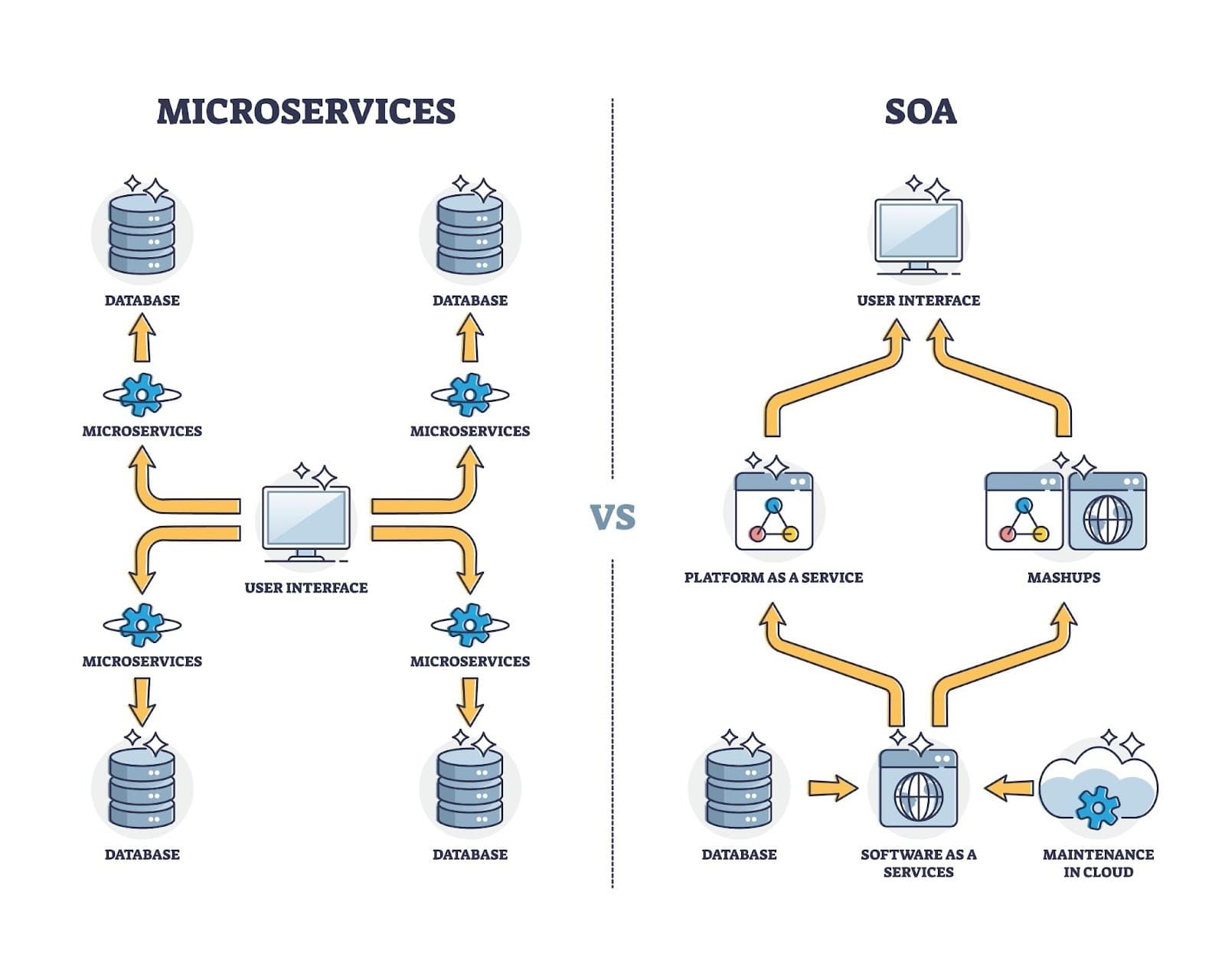
Auto-scaling infrastructure handles traffic spikes without manual intervention, a critical advantage over Relevance AI’s shared resources that can experience slowdowns during peak usage periods. Enterprise clients processing 100,000+ daily interactions report consistent performance with Dasha, while similar volume levels on Relevance AI often require expensive enterprise plans with dedicated resources.
Built-in redundancy ensures 99.9% uptime for mission-critical workflows, contrasting with Relevance AI’s occasional service interruptions that can disrupt business operations. This reliability factor becomes essential for customer-facing applications where downtime directly impacts revenue and customer satisfaction.
The pricing predictability of Dasha’s model prevents the cost explosions that organizations experience with Relevance AI’s credit consumption system. While Relevance AI costs can spiral unexpectedly during high-volume periods, Dasha’s transparent pricing enables accurate budget planning for scaled deployments.
Cons: Unlike Relevance AI’s no-code builder, Dasha is a "code-first" platform. You generally need a JavaScript developer to deploy and maintain agents. It also lacks a broad ecosystem of pre-built "drag-and-drop" integrations, meaning you often have to build connections to your CRM or database manually via API.
Gumloop - Complex Workflow Scaling
Gumloop excels in scenarios where linear workflow automation proves insufficient for complex business processes. Unlike shared infrastructure models relatively straightforward agent orchestration, Gumloop’s nested workflow capabilities enable sophisticated multi-step processes with conditional logic and dynamic branching that scales efficiently across large datasets.
Multi-agent orchestration handles interdependent tasks without the bottlenecks that can occur when multiple AI agents compete for shared resources. This coordination capability proves crucial for complex workflows involving data analysis, content creation, and customer interaction processes that require seamless handoffs between specialized agents.
The visual drag and drop builder accelerates deployment of scaled workflows by enabling non technical users to create sophisticated automation sequences. This accessibility factor becomes important for organizations scaling AI workflows across multiple departments, as it reduces dependency on technical teams for workflow modifications and optimizations.
Integration with major AI models provides redundancy during high-volume periods by automatically switching between different AI providers when capacity constraints occur. This failover capability ensures consistent performance even when individual AI services experience temporary limitations, a resilience feature that Relevance AI’s single-provider approach cannot match.
Automated error handling prevents workflow failures at scale through sophisticated retry mechanisms and alternative processing paths. This reliability feature becomes essential for mission-critical processes where workflow interruptions can impact customer experience or business operations.
The platform’s ability to automate multi step processes extends beyond simple task automation to include complex decision trees and conditional logic that adapts to varying input conditions. This flexibility enables handling diverse scenarios within single workflows, reducing the complexity and maintenance overhead associated with managing multiple separate automation sequences.
Cons: While powerful, users report it is significantly harder to learn than Relevance AI. It lacks the intuitive "chat-to-build" simplicity for beginners. Additionally, its "credits per node" pricing can be difficult to predict compared to flat-rate usage, leading to surprise bills during complex multi-step runs.
Make.com - Proven High-Volume Performance
Make.com has demonstrated unmatched scaling capabilities by processing over 500 billion operations monthly across more than 1 million active users. This massive scale provides concrete evidence of the platform’s ability to handle enterprise-level automation requirements that would overwhelm less mature alternatives like Relevance AI.
Advanced error handling and retry mechanisms ensure reliability at scale through sophisticated monitoring systems that detect and respond to issues before they impact workflow performance. This proactive approach to error management provides the stability that large-scale operations require, contrasting with Relevance AI’s more basic error handling capabilities.
Webhook endpoints handle real-time data from thousands of sources simultaneously, enabling organizations to build responsive automation systems that react immediately to business events. This real-time processing capability proves crucial for time-sensitive applications like customer support automation and sales lead processing.
Built-in rate limiting prevents API overuse while maximizing throughput through intelligent queuing and batch processing strategies. This optimization ensures efficient resource utilization without triggering API restrictions that can disrupt workflow performance, a common challenge with Relevance AI’s less sophisticated resource management.
Enterprise plans support unlimited operations for high-volume scenarios, providing cost predictability that organizations need for budget planning. This pricing approach eliminates the consumption-based cost uncertainty that makes Relevance AI expensive for high-volume deployments.
The platform’s workflow automation platform capabilities extend beyond simple task automation to include complex conditional logic, data transformation, and multi-step processes that handle diverse business scenarios efficiently. This comprehensive approach enables organizations to consolidate multiple automation tools into a single platform, reducing complexity and maintenance overhead.
Cons: While great for linear tasks, building complex AI agents with loops, memory, and branching logic can become a "spaghetti monster" of unmanageable scenarios. It enforces execution time limits (often 40 minutes) on standard plans, causing complex AI agents to time out mid-operation.
HubSpot AI - CRM-Native Scaling
HubSpot AI provides a fundamentally different scaling approach by eliminating external API dependencies through native CRM integration. This architecture processes millions of CRM interactions daily with built-in AI capabilities that operate directly within the customer data environment, avoiding the API bottlenecks that limit Relevance AI’s performance in CRM-heavy workflows.
Native integration eliminates data sync delays that commonly occur when third-party platforms like Relevance AI interact with CRM systems through APIs. This direct data access enables real-time processing of customer interactions without the latency issues that can impact customer experience during high-volume periods.
Automatic lead scoring scales to handle unlimited contact volumes through efficient database operations that process customer data without external API calls. This capability proves particularly valuable for organizations with large customer databases where Relevance AI’s API-based approach would create performance bottlenecks and cost escalations.
Real-time personalization across email campaigns reaches millions of contacts simultaneously through optimized database queries and cached customer data. This efficiency enables marketing teams to execute large-scale personalized campaigns without the resource constraints that would limit similar initiatives using Relevance AI.
Integrated analytics track AI performance across the entire customer lifecycle, providing comprehensive insights into how AI features impact customer engagement and business results. This native analytics capability surpasses the limited reporting that external platforms like Relevance AI can provide when integrating with CRM systems.
The platform’s customer support capabilities include automated response systems that handle thousands of inquiries simultaneously while maintaining personalization and context awareness. This scalability proves essential for organizations with large customer bases where manual support approaches become unsustainable.
Cons: Its AI is strictly limited to data living inside HubSpot. Unlike Relevance AI, which can easily connect to external vector databases or diverse APIs, HubSpot’s agents struggle to access or process data stored in third-party tools (e.g., Zendesk, internal wikis, or Snowflake).
Zapier - Mature Integration Infrastructure
Zapier’s massive integration ecosystem includes 5,000+ app connections with proven stability under high-volume usage conditions. This mature integration infrastructure provides reliability that newer platforms like Relevance AI cannot match, particularly for complex workflows that depend on multiple external systems.
The platform processes over 20 billion automated tasks annually, demonstrating the infrastructure maturity required for enterprise-scale automation deployments. This proven track record provides confidence for organizations planning large-scale AI automation initiatives that would strain less mature platforms.
Multi-step workflows handle complex business processes with built-in error recovery mechanisms that prevent cascade failures when individual steps encounter issues. This resilience proves crucial for mission-critical workflows where single-point failures could disrupt business operations.
Enterprise plans offer priority processing for time-sensitive automations, ensuring consistent performance for critical workflows even during peak platform usage periods. This guaranteed performance level provides the reliability that business-critical applications require.
Advanced filtering capabilities reduce unnecessary API calls during scaled operations by processing data intelligently before triggering external actions. This optimization improves both performance and cost efficiency compared to less sophisticated platforms that process all data regardless of relevance.
The platform’s ability to enhance productivity extends beyond simple task automation to include complex data processing and transformation workflows that integrate multiple business systems efficiently. This comprehensive integration capability enables organizations to create sophisticated automation ecosystems that would require multiple specialized tools with other approaches.
Cons: It is arguably the most expensive option at scale due to its "per-task" pricing model. Furthermore, it struggles with "stateful" conversations; it is designed for "If This Then That" triggers, not for maintaining the long-term context or memory required for sophisticated AI agents.
CrewAI - Multi-Agent Team Scaling
CrewAI specializes in orchestrating teams of specialized AI agents for complex task distribution that scales beyond single-agent limitations. This multi agent collaboration approach enables sophisticated workflows where different agents handle specialized tasks while maintaining coordination and context sharing across the entire process.
The open-source framework allows custom scaling optimizations that organizations can implement based on their specific performance requirements. This flexibility enables technical teams to optimize agent coordination, resource allocation, and processing efficiency in ways that proprietary platforms like Relevance AI cannot support.
Role-based agent assignment prevents bottlenecks in multi-step workflows by ensuring that specialized agents handle tasks within their expertise areas. This division of labor approach scales more efficiently than general-purpose agents that attempt to handle diverse tasks with varying levels of effectiveness.
Python-based architecture enables integration with high-performance computing resources and specialized AI libraries that can dramatically improve processing speed for complex tasks. This technical flexibility provides scaling opportunities that web-based platforms cannot match.
Collaborative agents share context efficiently across large-scale operations through optimized communication protocols that minimize overhead while maintaining workflow coherence. This coordination capability proves essential for complex business processes that require multiple agents to work together seamlessly.
The multi-agent systems approach enables scenarios that single-agent platforms cannot easily handle, such as simultaneous data analysis, content creation, and customer interaction processes that require different specialized capabilities operating in parallel.
Cons: This is a Python framework, not a SaaS app. There is no login dashboard or visual builder for your marketing team to tweak prompts. It requires a full engineering workflow (Git, Docker, Python environments) to run, making it inaccessible to non-technical business units.
Choosing Based on Scale Requirements
Platform selection should align with specific scaling requirements rather than generic feature comparisons. Dasha.ai provides the best solution for organizations prioritizing voice call volume and AI assistant quality, while n8n offers unlimited scaling potential for organizations with technical resources to manage self-hosted deployments.
Stack AI serves enterprises requiring dedicated infrastructure and advanced security features that exceed Relevance AI’s capabilities. The platform’s enterprise grade security features and role based access control make it suitable for highly regulated industries where compliance requirements constrain platform choices.
Make.com provides proven reliability for organizations requiring extensive integration capabilities with predictable costs at high volumes. The platform’s 500+ billion monthly operations demonstrate infrastructure maturity that newer alternatives cannot match.
Consider current volume requirements alongside growth projections when evaluating alternatives. Organizations currently processing thousands of operations monthly may find that platforms optimized for millions of operations provide better long-term value despite higher initial complexity.
Geographic distribution requirements become important for global organizations where latency and data residency regulations affect platform selection. Some alternatives provide superior global infrastructure compared to Relevance AI’s more limited geographic presence.
Scale Testing Recommendations
Testing platforms with actual expected volume provides more accurate performance insights than synthetic benchmarks or demo scenarios. Many organizations discover unexpected bottlenecks or cost escalations when moving from test environments to production volumes.
Monitor API rate limits and response times under load conditions that simulate peak usage scenarios. This testing reveals performance characteristics that become apparent only under realistic stress conditions, helping identify platforms that maintain consistent performance during high-demand periods.
Evaluate error handling during peak traffic scenarios to understand how each platform responds to infrastructure stress or external API limitations. Robust error handling becomes crucial for maintaining business continuity during unexpected traffic spikes or system failures.
Consider infrastructure preferences when selecting platforms, as some alternatives require technical resources for optimization while others provide managed scaling with less operational overhead. The total cost of ownership includes both platform costs and internal resource requirements for ongoing management.
FAQ
Which platform handles the highest volume of real AI-powered calls?
Dasha.ai currently leads with over 10 million AI-powered calls and emails processed monthly, compared to Relevance AI’s primarily API-based interactions. The platform’s native voice architecture and ultra-realistic voice synthesis capabilities enable direct call handling without third-party bottlenecks that limit Relevance AI. Enterprise customers report handling 100,000+ daily voice and email interactions without performance degradation, demonstrating production-ready scaling capabilities that text-based platforms cannot match.
Can these alternatives scale beyond 10,000 AI agents running simultaneously?
Stack AI and n8n both support deployments with 10,000+ concurrent agents through enterprise infrastructure options and self-hosting capabilities respectively. n8n’s self-hosting capability allows unlimited scaling with proper infrastructure investment, unlike Relevance AI’s shared resources that become cost-prohibitive at this scale. Make.com has demonstrated the ability to handle millions of concurrent automations across their user base, while Relevance AI’s credit-based system creates cost barriers that prevent most organizations from reaching these volumes.
Which alternative offers the best price-to-scale ratio for high-volume operations?
n8n provides the best long-term scaling economics through self-hosting, eliminating per-operation fees entirely while providing full control over infrastructure costs. Make.com’s unlimited operations on enterprise plans offer predictable costs for high-volume scenarios, contrasting with Relevance AI’s consumption-based pricing that can escalate unexpectedly. Stack AI provides dedicated infrastructure pricing that scales more economically than shared Relevance AI credits for enterprise deployments requiring guaranteed performance levels.
How do integration capabilities affect scaling potential compared to Relevance AI?
HubSpot AI eliminates external API calls entirely for CRM operations, providing unlimited scaling within the platform ecosystem without the API bottlenecks that constrain Relevance AI’s CRM integrations. n8n’s custom integration capability allows optimization for specific high-volume use cases that generic platforms cannot efficiently handle. Make.com’s webhook infrastructure handles real-time data streams more efficiently than Relevance AI’s polling mechanisms, reducing latency and improving throughput for time-sensitive workflows.
What infrastructure requirements enable better scaling than Relevance AI?
Self-hosted options like n8n and CrewAI allow dedicated GPU clusters and custom optimization impossible on Relevance AI’s shared platform. Stack AI provides dedicated infrastructure deployment options that guarantee performance during peak usage, while Relevance AI users experience resource contention during high-demand periods. Enterprise alternatives offer geographic distribution capabilities for global scaling that Relevance AI cannot match, and direct database connections in alternatives like HubSpot AI eliminate API bottlenecks that limit Relevance AI’s performance in data-intensive workflows.